The Essential Role of Support Players in Dota 2: Why They Matter
In Dota 2, the gameplay experience is often defined by the synergy between different roles, and support players are the unsung heroes who provide critical assistance to their team. These players choose heroes specifically designed to aid their teammates, control the battlefield, and mitigate the enemy’s strengths. Without a solid support presence, carries and cores may struggle to gain momentum, making it essential to recognize how support players create a foundation for success. Their ability to ward the map, secure vision, and provide crowd control can turn the tide of battle, showcasing why they matter in every match.
Moreover, support players contribute significantly to the overall strategy of Dota 2 games. They often initiate team fights by absorbing damage and utilizing their spells to disable opponents, while also keeping their allies safe with heals or shields. This proactive style of play enables the team to execute complex formations and respond effectively to threats. By fostering good communication and coordination, support players not only enhance the team's chances of victory but also create an engaging gameplay experience for both players and spectators alike, demonstrating their vital role in the Dota 2 ecosystem.
Top 10 Support Heroes in Dota 2: Strengths and Strategies
Dota 2 is renowned for its diverse cast of heroes, but among them, support heroes play a critical role in shaping the game's outcome. These heroes are essential for providing utility, crowd control, and healing to their teammates, allowing them to excel in battles. In this article, we will explore the Top 10 Support Heroes in Dota 2, highlighting their unique strengths and strategic gameplay. From establishing vision with warding to setting up team fights, the impact of a solid support cannot be understated.
Here are some of the standout support heroes that have consistently proven their worth on the battlefield:
- Lion - Known for his disable and burst damage, Lion can quickly eliminate key targets.
- Shadow Shaman - Provides crowd control and can push lanes effectively with his Scepter.
- Witch Doctor - His healing abilities and ultimate can turn the tide of battle.
- Treant Protector - Offers sustainability with his healing and can create plays with overgrowth.
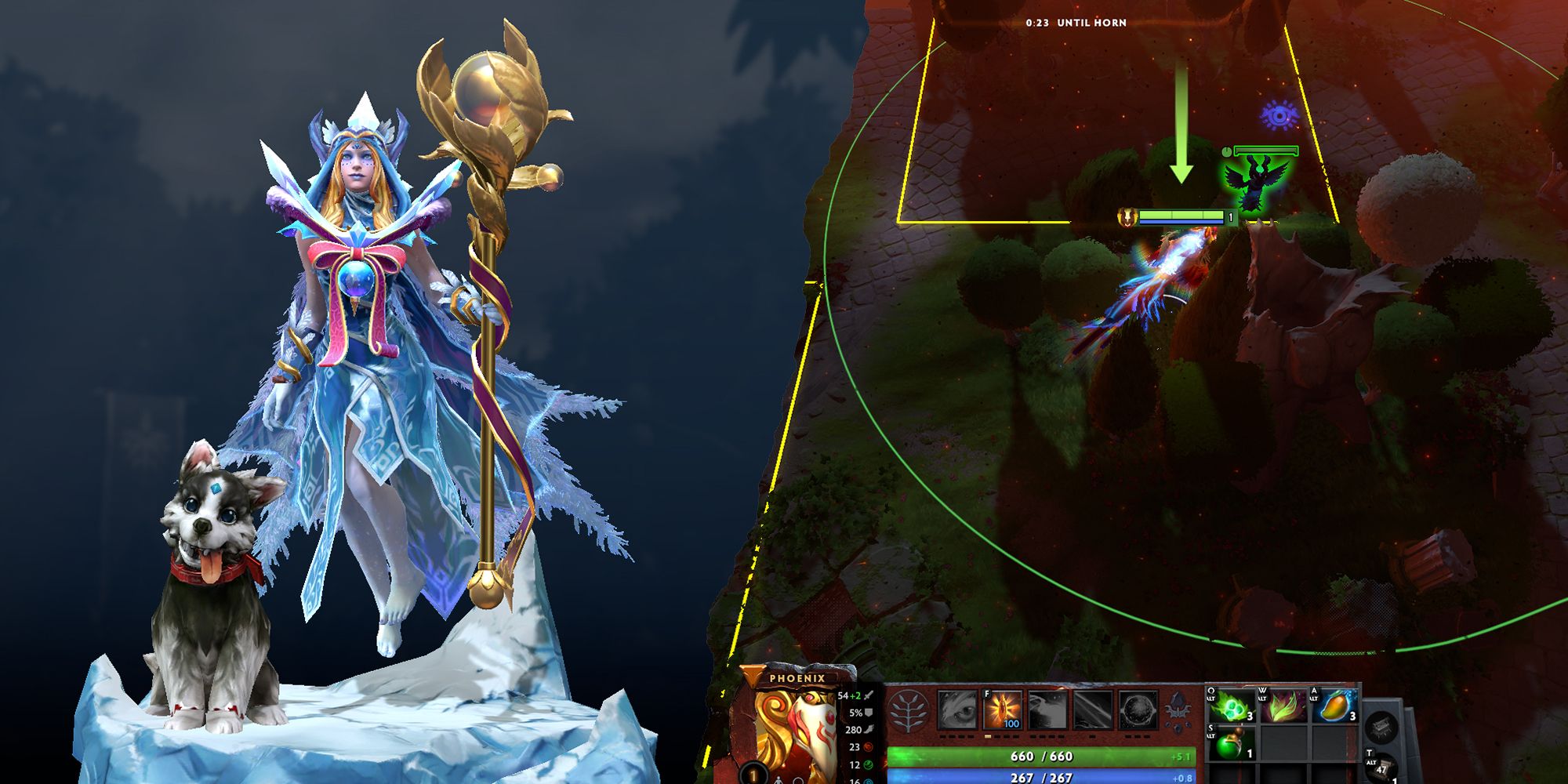
- Crystal Maiden - Provides mana regeneration and crowd control, ideal for early skirmishes.
- Disruptor - His ability to zone enemies and provide vision with Static Storm is invaluable.
- Keeper of the Light - Provides immense utility with his mana regeneration and blinding powers.
- Oracle - A versatile hero capable of saving allies with his dispels and healing.
- Dazzle - Offers significant sustain and the potential to turn fights with his ultimate.
- Warlock - His ultimate creates a powerful force in team fights, disrupting the enemy’s formation.
How to Improve Your Support Gameplay: Tips for Success
Improving your support gameplay requires a blend of strategic positioning and strong communication skills. One of the key elements in being an effective support player is to always be aware of your teammates' needs and the overall game state. To do this successfully, consider implementing the following tips:
- Map Awareness: Regularly check the minimap to anticipate enemy movements and help your team avoid ganks.
- Your Role: Understand that your primary role is to protect and enable your teammates. Whether you are healing, providing crowd control, or setting up plays, your actions should always support your team’s objectives.
Another vital aspect of support gameplay improvement is effective communication. Make sure to use pings or chat effectively to inform your teammates of your cooldowns and potential threats. Additionally, consider these communication tips for success:
- Be Concise: Keep your messages short and to the point; this helps your team react quickly.
- Maintain Positivity: Encouragement goes a long way. A positive attitude can uplift your team and improve overall morale.
- Learn From Experience: After matches, review your gameplay and identify areas for improvement. Watching replays can help you recognize what worked and what didn’t.