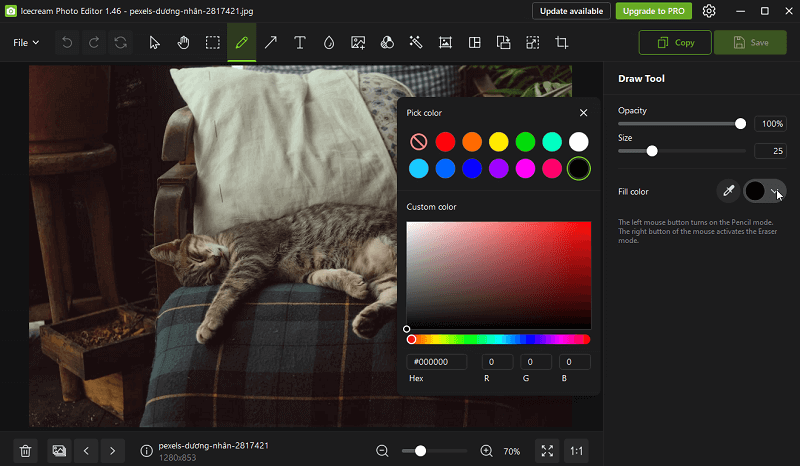
Top 10 Photo Editing Tips Every Beginner Should Know
When starting your photo editing journey, understanding the basics is crucial. Here are the Top 10 Photo Editing Tips Every Beginner Should Know to enhance your skills and impress your audience:
- Learn the software: Familiarize yourself with popular editing programs such as Adobe Photoshop or Lightroom. Each tool has its unique features that can help you achieve stunning results.
- Understand lighting: Good lighting can make a huge difference in your images. Experiment with exposure and brightness adjustments to enhance the overall feel of your photos.
- Utilize cropping: Don’t hesitate to crop your images for better composition. This technique allows you to focus on the subject and eliminate distractions.
- Play with colors: Adjusting color balance and saturation can dramatically change the mood of your photos. Use these features to create unique artistic effects.
- Use filters wisely: While filters can enhance your images, overusing them can lead to unnatural results. Apply them with moderation.
As you refine your editing techniques, remember that practice makes perfect. Here are more tips to elevate your photo-editing game:
- Sharpen details: Utilize sharpening tools to enhance the details in your photos, but be careful not to overdo it, as this can introduce noise.
- Experiment with textures: Adding texture can add depth to your images, making them more visually appealing. Explore texture overlays to enhance your work.
- Explore presets: Many editing programs offer presets that can quickly transform your photos. Use these as a starting point and customize them to suit your style.
- Save your edits: Always keep a copy of your original image. This way, you can revisit and create different edits without losing your base photo.
- Stay inspired: Follow other photographers and artists to gain inspiration and discover new techniques. The more you learn, the better your skills will become.
How to Achieve Professional-Quality Edits with Free Software
Achieving professional-quality edits doesn’t have to mean investing in expensive software. With a variety of free software options available, anyone can become a proficient editor. Start by selecting tools tailored to your specific needs. For basic edits, programs like GIMP for images and Avidemux for videos can provide powerful functionalities without the hefty price tag. For text and layout editing, LibreOffice and Canva stand out as excellent alternatives that rival paid software. Remember, the key to achieving the quality you desire lies in understanding the features these applications offer and leveraging them effectively.
Once you have chosen your tools, it’s time to refine your editing technique. Consider the following tips to elevate your editing game:
- Learn the Shortcuts – Familiarize yourself with keyboard shortcuts to speed up your workflow.
- Experiment with Filters and Effects – Free software often comes packed with less-known features that can enhance your projects.
- Seek Out Tutorials – Utilize online resources such as video tutorials and community forums that can provide guidance and inspire you.
By making the most of these free tools and resources, you’ll be well on your way to mastering professional-quality edits that impress.
The Hidden Features in Photo Editing Apps That Will Transform Your Workflow
When it comes to photo editing apps, many users are often unaware of the hidden features that can dramatically enhance their workflow. One such feature is the ability to create and save custom presets. By configuring your favorite filters, colors, and adjustments, you can apply these settings to future projects with just a click. This not only saves you time but ensures consistency across your edits. Additionally, utilizing features like batch processing can significantly streamline your editing routine, allowing you to apply adjustments to multiple images simultaneously.
Another underappreciated tool found in many photo editing apps is the layer management system. Mastering the use of layers can elevate your editing capabilities from basic tweaks to high-level compositional work. With layers, you can experiment with different effects and adjustments without permanently altering your original image. Furthermore, the history panel allows you to step back in time, reversing changes and experimenting with different edits without the fear of losing your original work. Leveraging these hidden features can truly transform your photo editing experience.